
Sustainable Development and Smart Tourism in Dubai
The United Arab Emirates (UAE) has been strategically investing in multiple facets of its tourism sector to stimulate economic growth and foster cultural exchange, positioning 2025 as a landmark year for tourism development. Key government initiatives in infrastructure, technological innovation, international collaborations, and sustainability have collectively enhanced the UAE's appeal as an elite tourist destination.
Tourism remains fundamental to the UAE's broader economic diversification strategy, serving as a vital engine for GDP growth and employment creation. This strategy helps reduce the country's historical dependence on oil revenues. However, the rapid expansion of tourism also presents environmental challenges, including rising carbon emissions, increased energy demands, and heightened urbanization pressures (Majumdar & Paris, 2022).
Cultivating Global Connections Through Tourism
Cultural exchange facilitated through tourism forms a critical pillar of the UAE's approach. The influx of international tourists not only boosts economic activity but also enriches social and cultural interactions. These exchanges deepen mutual understanding and strengthen global partnerships, as seen in sectors like healthcare collaboration with countries such as South Korea (Bulatovic & Iankova, 2021; Kim & Hyun, 2022).
Hosting major global events, such as the Dubai Shopping Festival, underscores the UAE's commitment to leveraging tourism for both cultural dialogue and economic advancement. This holistic strategy has constructed a favorable international image for the UAE, significantly improving tourists' perceptions and encouraging repeat visits, which in turn catalyzes further tourism-related growth (Anwar & Sohail, 2004).
Despite the evident economic benefits, the burgeoning tourism industry has raised social concerns. Emerging research examines local residents' perspectives on tourism's social impacts and community capacity to absorb cultural changes posed by increased tourism volumes (Zaidan & Kovacs, 2017).
Digital Transformation in Tourism
To sustain growth responsibly, the UAE government has embraced digital transformation and operational efficiencies within the hospitality and tourism sectors. Proactive policies have created an innovation-friendly environment, enabling quick adaptation to challenges such as the COVID-19 pandemic (Nadkarni & Haider, 2022).
The integration of smart technologies improves service delivery and enhances visitor experiences while simultaneously promoting efficient resource use.
Dubai's 2030 and 2040 Strategic Vision
Focusing in on Dubai, the city's tourism trajectory exemplifies a successful pivot away from oil reliance, driven by its 2030 and 2040 strategic plans that emphasize sustainable growth and broadening market reach. Dubai's tourism planning adopts a hybrid model balancing economic ambitions with its political and cultural framework (Sharpley, 2008).
Key objectives include expanding beyond traditional luxury segments to capture budget-conscious travelers, thereby accessing wider market demographics, and embedding sustainability principles throughout the tourism ecosystem (Stephenson & Ali-Knight, 2010). These efforts are designed to foster economic expansion while proactively mitigating sociocultural tensions that can arise between tourists and residents (Zaidan & Kovacs, 2017).
Sustainable Smart City Initiatives
Integral to Dubai's vision is the promotion of sustainable, smart city initiatives. This embraces eco-friendly infrastructure development and the use of cutting-edge technology to offer seamless and environmentally responsible visitor experiences (Al-Dabbagh, 2022).
- Eco-friendly Infrastructure: Development of sustainable buildings and green spaces that minimize environmental impact
- Smart Technology Integration: Implementation of IoT devices, AI, and data analytics for efficient resource management
- Renewable Energy Adoption: Utilization of solar power and other renewable energy sources in tourism facilities
- Digital Visitor Experiences: Seamless mobile applications and smart services enhancing tourist convenience
The Future of Sustainable Tourism in Dubai
Overall, Dubai's tourism roadmap for 2030 and 2040 is characterized by diversification, innovation, and sustainability. It aims to reinforce the city's stature as a leading global tourist hub while carefully balancing economic growth with social cohesion and environmental stewardship (Sharpley, 2008; Stephenson & Ali-Knight, 2010).
This balanced approach will be crucial to maintaining long-term success amid evolving global tourism trends. The integration of smart technologies improves service delivery and enhances visitor experiences while simultaneously promoting efficient resource use.
Dubai's Sustainable Tourism Vision

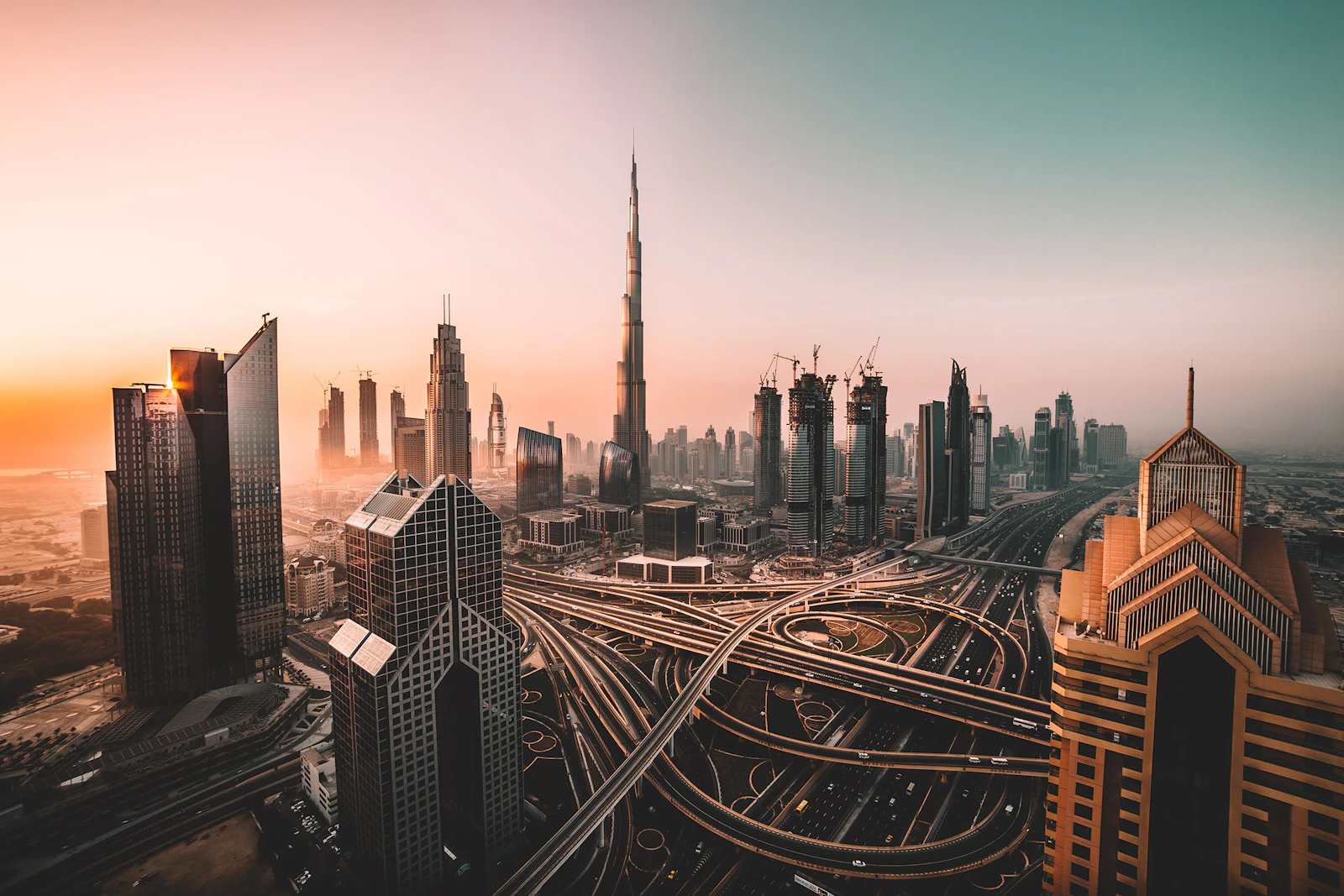


Leading the Way in Sustainable Tourism
Dubai's commitment to sustainable development and smart tourism represents a comprehensive approach to balancing economic prosperity with environmental responsibility and cultural preservation. Through strategic planning and technological innovation, Dubai continues to set new standards for sustainable tourism globally.
As the city moves toward its 2030 and 2040 goals, the focus remains on creating a tourism ecosystem that benefits visitors, residents, and the environment alike—proving that sustainable practices and economic growth can go hand in hand.